CS Case Battle Isn't As Difficult As You Think
The Ultimate Guide to CS Case Battle: Rules, Strategies, and How to Play
The Counter-Strike economy has progressed far beyond basic in-game weapon drops. Today, a huge ecosystem of third-party platforms exists to improve the trading and skin-collecting experience. Amongst these, CS Case Battle has become one of the most popular, high-stakes, and thrilling modes of interaction for fans of virtual cosmetics.
Whether cs2 case battle gamers are wanting to turn a modest inventory into a famous loadout or merely seeking the adrenaline rush of high-stakes gaming, case battles provide an entirely brand-new dimension to skin gathering. This thorough guide checks out the mechanics of CS case battles, techniques for success, and how players can approach this phenomenon securely and smartly.
What is a CS Case Battle?
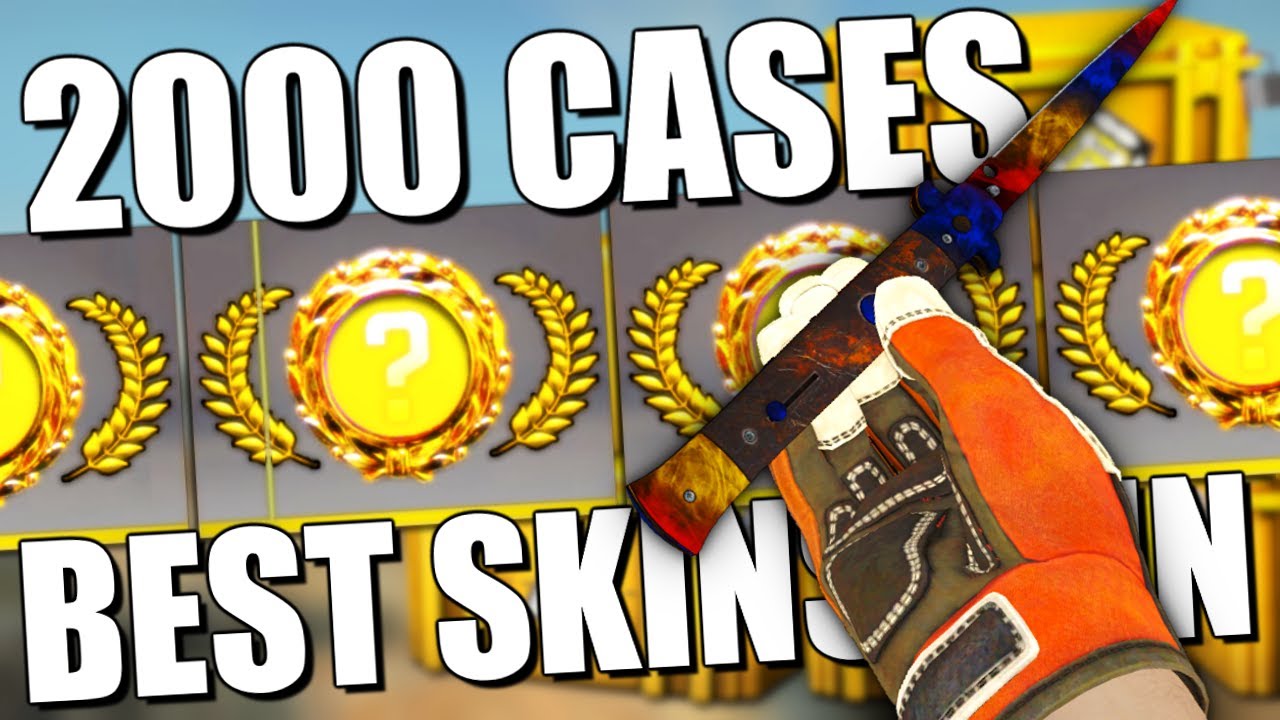
At its core, a CS Case Battle is a real-time, multiplayer variation of standard case opening. Generally, opening a CS case is a solitary experience: a gamer purchases a key, opens a case on a third-party platform (or Steam), and gets a single skin based on random likelihood.
Case battles turn this solitary activity into a competitive spectator sport. Numerous gamers-- normally in between two and 4-- contribute cases to a shared swimming pool. The system then opens the cases concurrently round by round.
The goal is easy: collect the greatest overall monetary worth of skins by the end of the battle. The player (or team) with the greatest overall value wins the entire contents of all dropped skins from everyone in the match.
How CS Case Battles Work: The Core Mechanics
While various platforms present special twists, many CS case battles follow a standardized set of rules and formats. Understanding these mechanics is necessary for anyone aiming to enter the arena.
Game Modes
- 1v1 Battles: A head-to-head battle where two players go toe-to-toe.
- Free-For-All (FFA): Usually featuring 3 or 4 gamers, where the single highest-value earner takes home the whole loot pool.
- Team Battles (2v2): Players group up, and the combined value of the team's drops figures out the winner.
- Terminal/Crazy Modes: Specialized modes including reverse mechanics (where the least expensive value wins) or cooperative drop pools.
Drop Mechanics
Every participant opens the exact very same cases in the precise very same order. This guarantees fairness; the result is totally depending on the random drops within those specific rounds. Because luck is dispersed equally through identical case https://cs2skin.com/case-battle lines, method comes down to which cases are picked and just how much capital is risked.
Popular Case Battle Strategies
While CS case battles are basically games of possibility determined by Return to Player (RTP) percentages, experienced gamers utilize specific techniques to manage risk and take full advantage of enjoyment.
- Bankroll Management: Never go into a fight with funds required for daily needs. Set a strict budget plan for home entertainment.
- The Diversification Approach: Instead of blowing an entire spending plan on one high-stakes battle with costly cases, players typically break their bankroll into multiple smaller-stakes battles to increase their playtime and smooth out variation.
- Case Selection (Low vs. High Tier):
- Low-tier cases deal more rounds per dollar, leading to longer, more stable battles.
- High-tier cases (including knives and hidden products) provide extreme volatility-- frequently leading to quick wins or destructive losses.
Comparing Standard Case Opening vs. CS Case Battle
To understand why gamers are migrating from conventional openings to case battles, it helps to compare the two formats directly.
Function Requirement Case Opening CS Case Battle Social Interaction Solitary experience Highly social, often including chat and spectators Win Condition Simply dependent on specific drop Should beat challengers' total drop value Entertainment Value Moderate (based upon personal luck) High (competitive component and thriller) Risk Level Repaired (lose cost of case minus drop value) Variable (can win opponent's skins or lose whatever) Pacing Quick and independent Turn-based, integrated with opponentsNecessary Tips for Beginners
Getting in the world of CS case battles can be frustrating. Novices need to keep the following finest practices in mind to protect their assets and make sure a favorable experience:
- Research the Platform: Always usage reputable, recognized third-party websites with tested performance history for reasonable play, safe and secure Steam authentication, and reputable withdrawal systems.
- Start Small: Test the waters with inexpensive cases (e.g., ₤ 0.50 to ₤ 2.00 per case) to comprehend the interface and pacing without running the risk of significant capital.
- Understand your house Edge: Remember that third-party platforms operate organizations. The chances are mathematically structured to favor the home over the long term. Treat battles as paid entertainment instead of a financial investment method.
- Make Use Of Provably Fair Systems: Ensure the platform utilizes a "Provably Fair" cryptographic algorithm, enabling users to confirm that the outcomes of the case openings were entirely random and unchanged.
Frequently Asked Questions (FAQ)
Are CS case battles legal?
The legality of third-party CS case opening and field of honor varies substantially by jurisdiction. Gamers should inspect their regional laws concerning online entertainment and digital asset wagering before getting involved.
How do I withdraw my earnings?
Many platforms permit winners to immediately claim the virtual skins they won. These skins can usually be traded directly to the gamer's Steam stock utilizing a trade URL, provided the gamer's Steam account has mobile authenticator enabled and is not trade-banned.
Can I play for complimentary?
Some platforms offer advertising bonuses, day-to-day complimentary cases, or "free-to-play" battles where users can win minor rewards without depositing their own funds. Nevertheless, the bulk of competitive battles need a deposit of crypto, fiat, or CS skins.
CS Case Battle has essentially changed how the Counter-Strike community interacts with weapon skins. By injecting a layer of multiplayer competition, social interaction, and high-stakes drama into traditional case openings, it has actually created a dynamic subculture within gaming.
However, because these battles include real monetary value and elements of chance, participants need to work out caution. By practicing strict bankroll management, comprehending the platform mechanics, and playing responsibly, fans can delight in the adrenaline-pumping excitement of CS case battles safely and smartly.